Rock Climbing in Tafraoute: Pink Granite and Quartzite Walls in the Anti-Atlas
Pink granite boulders, big quartzite walls and Amazigh villages: Tafraoute is one of Morocco's finest climbing destinations. Season, styles, gear and tips.
Contents
- Tafraoute, gateway to the Anti-Atlas
- Two types of rock, two styles of climbing
- Granite: a bouldering paradise
- Jebel El Kest quartzite: multi-pitch adventure
- When to climb in Tafraoute
- What gear to bring
- For bouldering
- For single and multi-pitch routes
- Level required and guiding
- Climbing with respect
- Things to see between sessions
- How to get to Tafraoute
- Climb and fly: the perfect combination
- In short
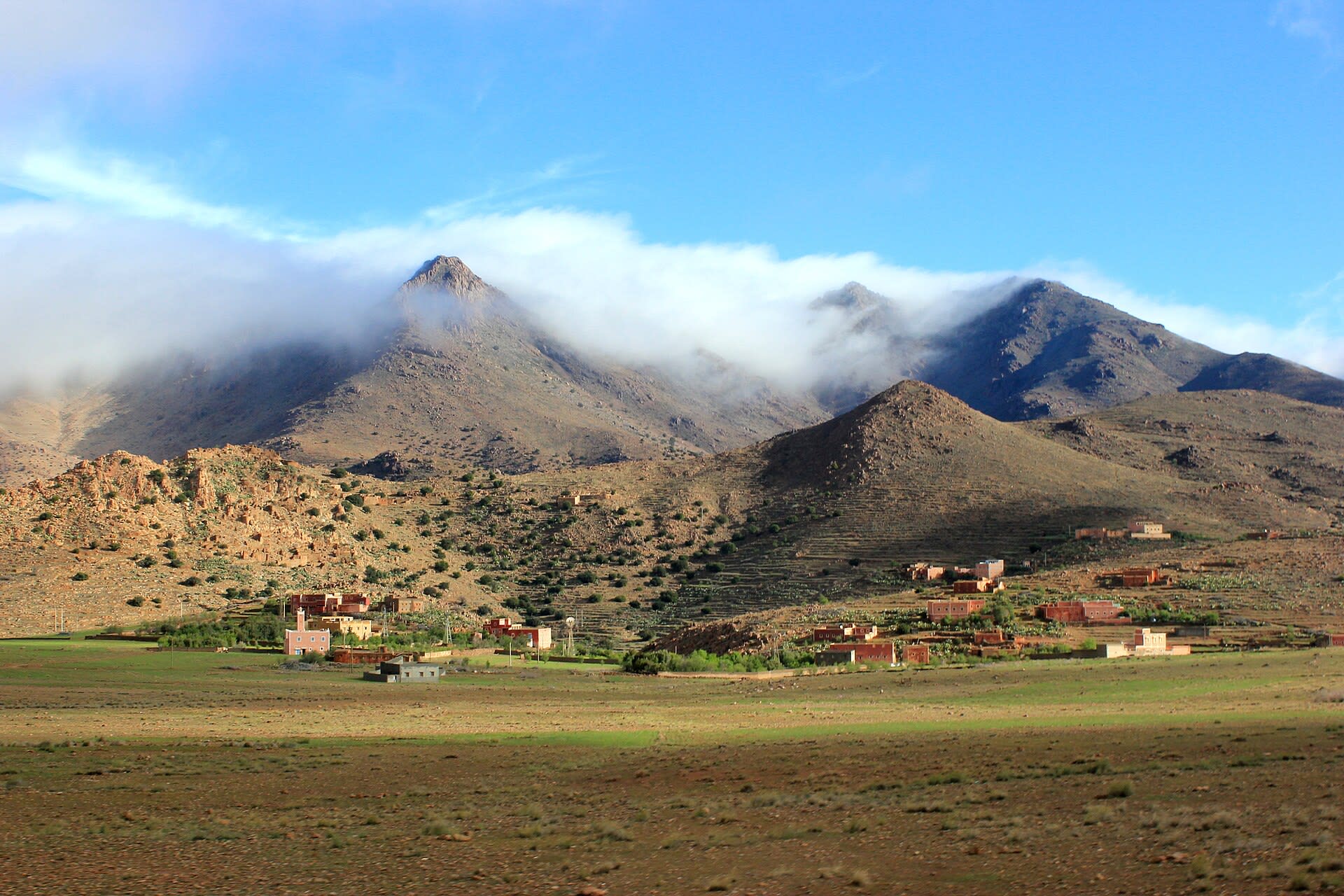
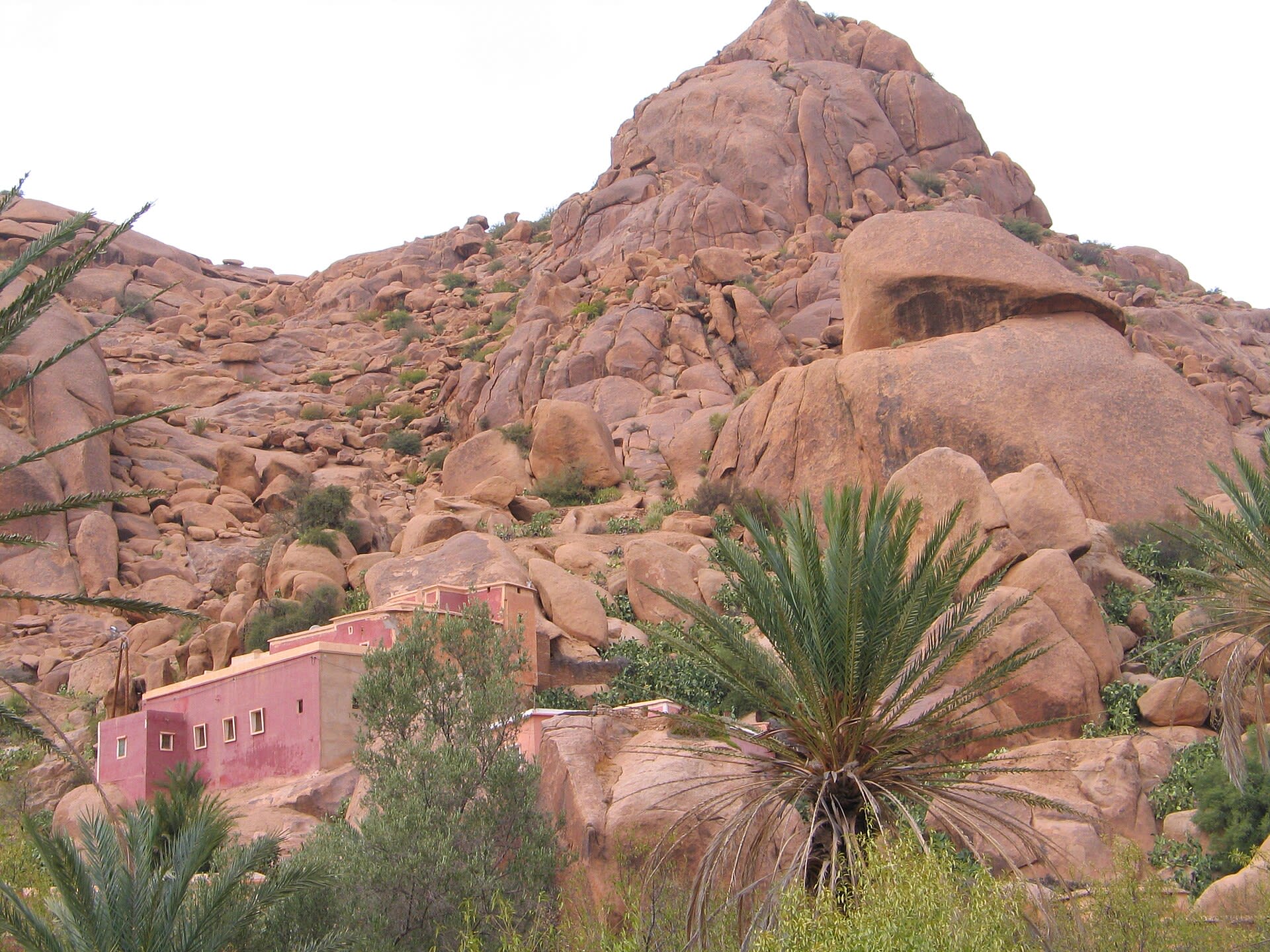
In the heart of the Anti-Atlas, at just over a thousand metres above sea level, the small town of Tafraoute is surrounded by a jumble of pink granite boulders in improbable shapes. Behind it, the great quartzite wall of Jebel El Kest towers over the Ameln Valley. This exceptional setting has made Tafraoute one of Morocco's most respected rock climbing destinations, popular with European climbers who come for the winter sunshine and the spirit of adventure.
Tafraoute, gateway to the Anti-Atlas
The Anti-Atlas is a very old mountain range, worn down by time, stretching south of the High Atlas. Around Tafraoute, erosion has sculpted the granite into domes, towers and slabs in shades of pink, orange or gold depending on the time of day. Amazigh villages, nestled at the foot of the mountains, blend into the landscape with their earth-coloured houses surrounded by almond and argan trees.
Tafraoute is also a peaceful place to stay, with its cafés, market and slipper shops. It is an ideal base for several days of climbing.
Two types of rock, two styles of climbing
Granite: a bouldering paradise
The granite boulders around the town and scattered across the valley offer huge bouldering potential. You will find cracks, friction slabs, crimps and rounded features that call for good footwork. The granite is rough and grippy, especially in cool weather.
Jebel El Kest quartzite: multi-pitch adventure
Jebel El Kest is an imposing quartzite barrier rising above 2,300 metres. Its walls, ridges and buttresses offer hundreds of routes, often several pitches long and mostly traditional: protection is placed as you climb, and fixed gear is rare. This style of climbing, popularised since the 1990s by British climbers, demands experience, self-reliance and good route-finding skills.
When to climb in Tafraoute
- October to April: this is the ideal season. Days are sunny, temperatures pleasant and friction excellent.
- In midwinter: nights can be cool, even cold at altitude. Bring warm layers for the evenings.
- May to September: the heat makes climbing tiring, even dangerous, outside the first hours of the day.
What gear to bring
For bouldering
- Climbing shoes and a chalk bag.
- One or two crash pads: essential, and rarely available to rent locally.
- A brush to clean the holds.
For single and multi-pitch routes
- A full rack of nuts and cams, slings and karabiners.
- Double ropes, suited to long pitches and abseils.
- Helmet, harness, belay device and head torch.
- A guidebook for the area and solid route-finding skills.
Specialist gear is hard to find in Morocco: bring everything you need.
Level required and guiding
Bouldering is accessible as soon as you know how to fall and spot safely. The long traditional routes, on the other hand, are for experienced climbers who can place their own protection, build belays and abseil down. If you are new to climbing, hire a qualified mountain guide and read our article on starting rock climbing in Morocco.
Climbing with respect
- Respect villages and farmland: do not cross fields, close gates and ask your way politely.
- Water is precious: never use springs or irrigation pools to wash.
- Leave no trace: no litter, no excessive chalk marks, no toilet paper.
- Respect the local ethic: do not bolt new routes without consulting the climbing community.
- Dress modestly in villages, out of respect for the residents.
Things to see between sessions
- The Painted Rocks: in 1984, the Belgian artist Jean Vérame painted large granite boulders in blue, pink and purple a few kilometres from town. A surreal sight, particularly beautiful at the end of the day.
- Napoleon's Hat, an iconic rock formation near the village of Agard Oudad.
- The rock engravings of the area, evidence of very ancient human presence in these mountains.
- The Ait Mansour gorges, a lush palm grove tucked away south of Tafraoute.
- The Ameln Valley, for a day of hiking in the Anti-Atlas.
How to get to Tafraoute
- From Tiznit: about two hours on a winding, superb mountain road through the Anti-Atlas.
- From Agadir: allow about three hours via Ait Baha.
- By public transport: coaches link Tafraoute with Tiznit and Agadir, but a car is essential to reach the crags.
Climb and fly: the perfect combination
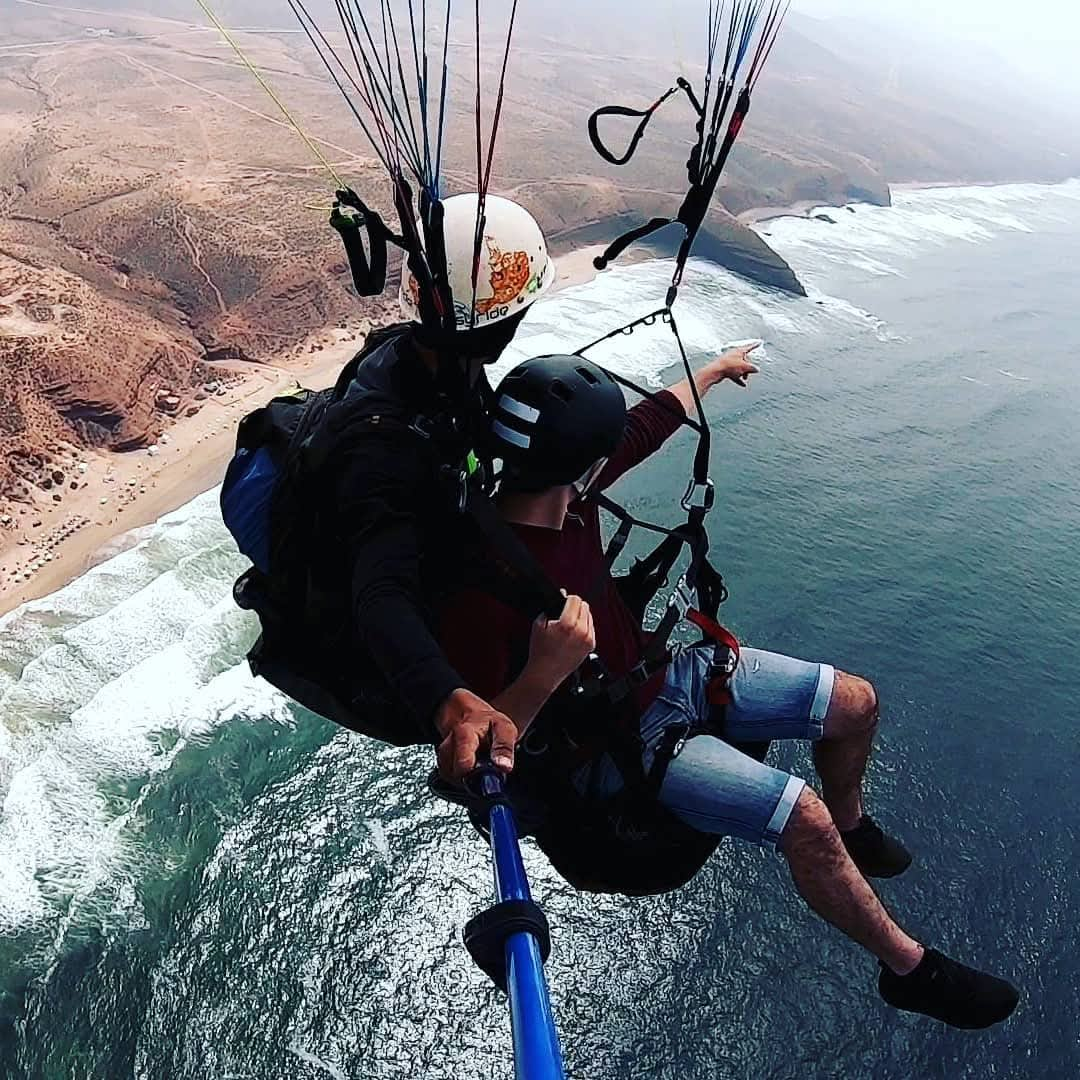
Tafraoute combines wonderfully with the coast. After a few days of climbing, head back down to Tiznit and the ocean for a paragliding flight above Aglou: the contrast between mountain granite and the vastness of the Atlantic is striking. Our guide to adventure activities in southern Morocco will help you plan your trip.
In short
Tafraoute offers one of the most spectacular climbing settings in Morocco: bouldering on pink granite, traditional multi-pitch routes on the quartzite of Jebel El Kest, authentic villages and winter sunshine. Come between October and April, bring all your gear and climb with respect for the place. And to end your trip in style, book your paragliding flight on the coast.
Cover photo: Tafraoute rochers (5) 1336.JPG by DanielD, CC BY-SA 3.0, via Wikimedia Commons.*
Frequently asked questions
When is the best time to climb in Tafraoute?
From October to April. Winter brings sunny, cool days that are ideal for friction. Summer is too hot to climb in good conditions.
Is climbing in Tafraoute bolted?
Much of the climbing, especially on the Jebel El Kest quartzite, is traditional, with removable protection. Bouldering on the granite is extensive and a few sectors are bolted.
Can beginners climb in Tafraoute?
Yes, bouldering with crash pads and spotters, or on routes with a qualified guide. The long traditional routes are for experienced climbers only.