Paragliding in Morocco for Pilots: Flying the Atlantic Coast With Your Own Wing
Are you a pilot dreaming of soaring above the Atlantic in the middle of winter? Sites, conditions, required level, paperwork and pitfalls to avoid on the Souss coast.
Contents
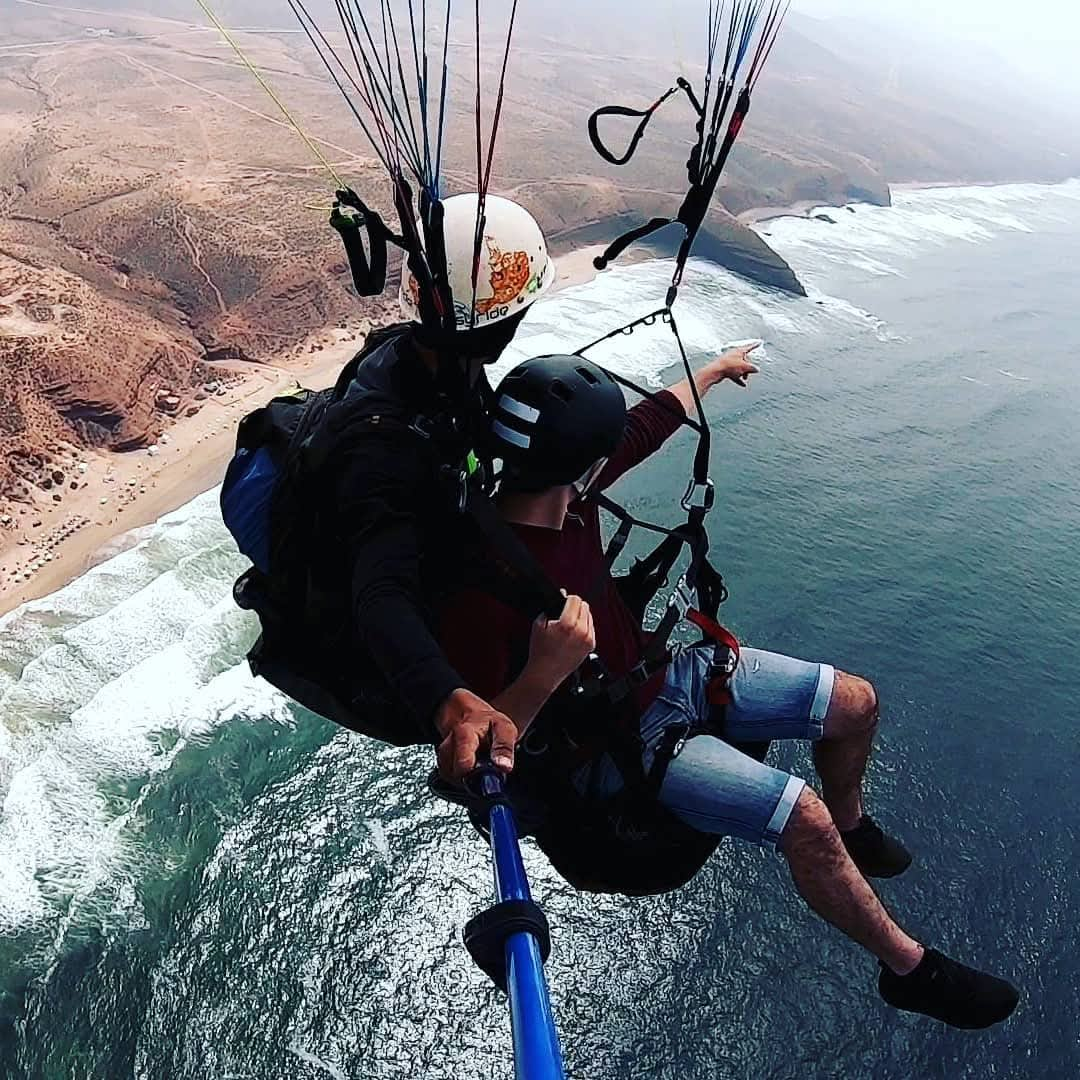
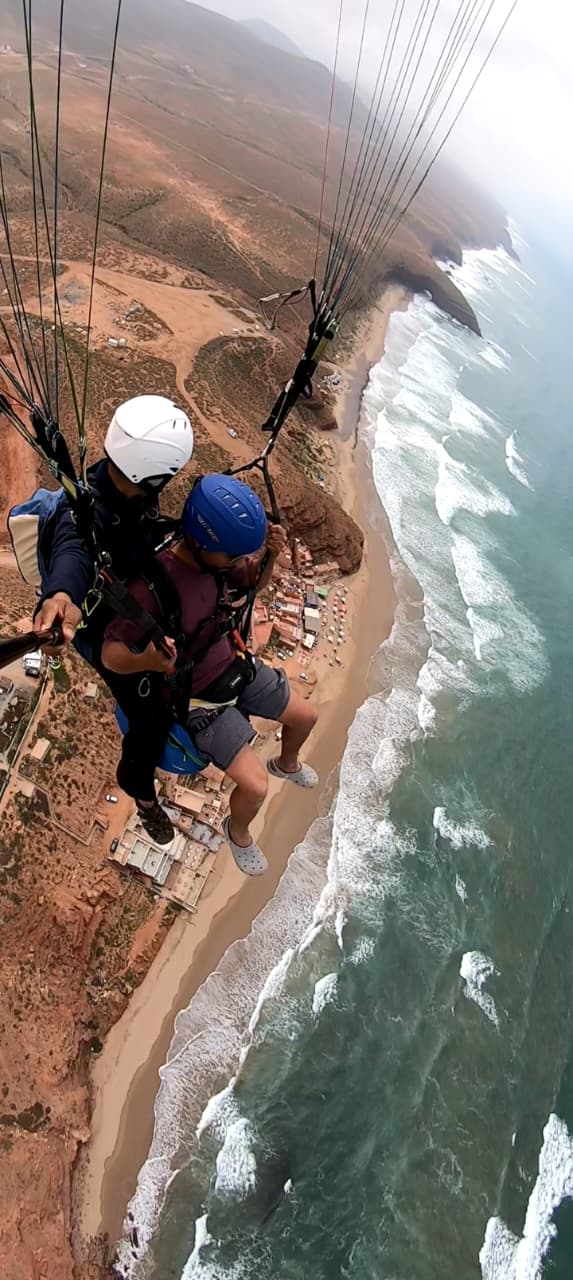
When winter grounds wings across Europe, Morocco's Atlantic coast offers a precious refuge: a mild climate, often clear skies and, above all, cliffs facing the sea where the breeze allows long soaring sessions. Between Aglou, Mirleft, Legzira and Sidi Ifni, the Souss coastline attracts pilots every year in search of hours in the air under the sun. Here is our guide to paragliding in Morocco with your own wing, written by pilots who fly these sites every week.
Why pilots choose the Souss coast
- Mild winters: you fly in light clothing while European sites are under snow.
- Ridge soaring: the sea breeze meets the cliffs and creates steady lift, perfect for flying back and forth for hours.
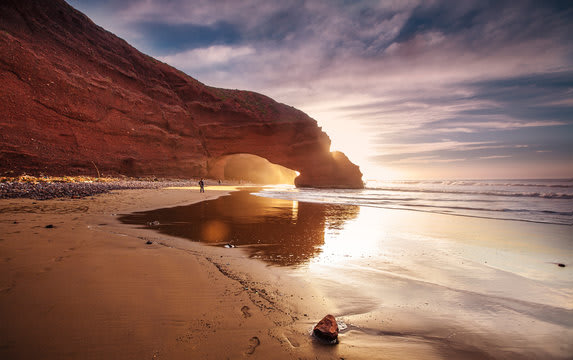
- Extraordinary scenery: red cliffs, the Legzira arch, vast beaches and fishing villages.
- A cluster of sites: several take-offs spread along about sixty kilometres of coastline, chosen according to the day's wind direction.
The main coastal sites
Aglou
Fifteen minutes from Tiznit, the slopes above Aglou's long beach offer an accessible site with wide landing areas on the sand. It is often the warm-up site, ideal for finding your feet after the journey. Discover it on our paragliding in Aglou page.
Mirleft
The Mirleft coastline alternates between cliffs and coves. There are many ridge soaring options depending on the wind direction, with the chance to fly along the coast when conditions are generous.
Legzira
The most photogenic site in the region: red sandstone cliffs overlooking a wild beach and the natural arch that made its name. Soaring here is magnificent, but landing depends on the tide, which can cover part of the beach. Our article on paragliding at Legzira describes the site in detail.
Sidi Ifni
Further south, the cliffs around the town offer other coastal flying options, with the blue-and-white town as a backdrop.
The level required
Coastal flying looks easy, but it has its demands. To fly these sites independently, you need to:
- master reverse launching in a strong breeze, sometimes on sandy ground;
- be comfortable ridge soaring, with clear rules of way when several wings share the same cliff;
- know how to handle a beach landing, taking walkers, fishermen and the tide into account;
- know your wing's limits in a wind that can strengthen during the afternoon.
If you are new to ridge soaring, local guidance during your first sessions is strongly recommended.
Pitfalls specific to coastal flying
- Rotor behind the cliff: drifting inland while losing height exposes you to turbulent air in the lee of the slope.
- Strengthening wind: the breeze can pick up in mid-afternoon. Always keep a margin and land before you reach your limits.
- The incoming tide: some landing beaches disappear at high tide. Check the tide times before each session.
- Fog: in summer, sea fog can roll over the coast in minutes. Keep an eye on the horizon.
- Offshore wind: when it blows from inland, like the chergui, do not fly the coastal cliffs.
For a full explanation of the mechanisms, read our article on the sea breeze and paragliding weather.
Paperwork and equipment
Licence and insurance
Bring your pilot licence or rating, along with third-party liability insurance valid in Morocco. Personal accident and repatriation insurance that covers paragliding is essential: check the cover carefully before you leave.
Travelling with your gear
Most airlines accept a harness and wing as checked baggage, sometimes for a fee. A lightweight wing and a compact rucksack make transfers much easier. Protect your equipment from sand and salt: a gentle rinse and thorough drying are a must after a trip by the sea.
What to bring
A recently repacked reserve, a helmet, light gloves, sunglasses, sun cream, a windproof jacket and plenty of water. There are no facilities on the sites.
Etiquette
The coastal sites are shared with residents, fishermen and walkers. Avoid flying low over houses, keep a low profile at take-off, leave no litter and ask permission before photographing people. Drones require authorisation in Morocco, so leave yours at home.
Flying with local support
For a first trip, a briefing from pilots who fly here all year round saves precious time: choosing the site according to the day's wind, locating take-offs and landing areas, tide times and transport between sites. That is what our support package for paraglider pilots is about, described on our flights page.
And if a friend or partner is travelling with you without flying, they can discover the same cliffs on a tandem flight with one of our pilots.
In short
- The Souss coast offers smooth, steady soaring, especially from October to April.
- Aglou, Mirleft, Legzira and Sidi Ifni let you choose the site according to the wind direction.
- Coastal flying requires solid launching, ridge soaring and beach landing skills.
- A licence, the right insurance and an eye on the tides are essential.
Planning a flying trip to the Moroccan coast? Contact us to arrange your local support, or book a tandem flight for your companions.
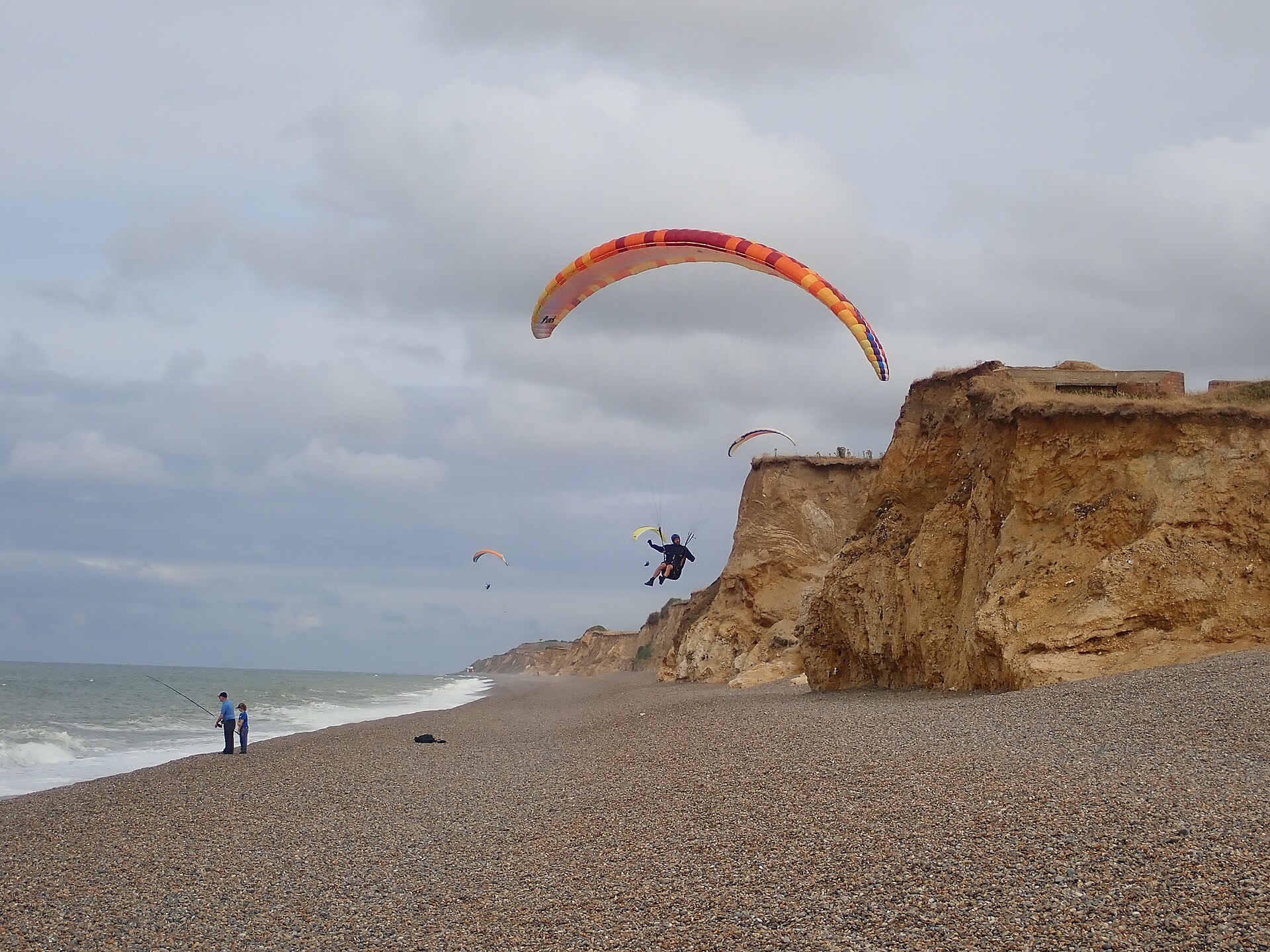
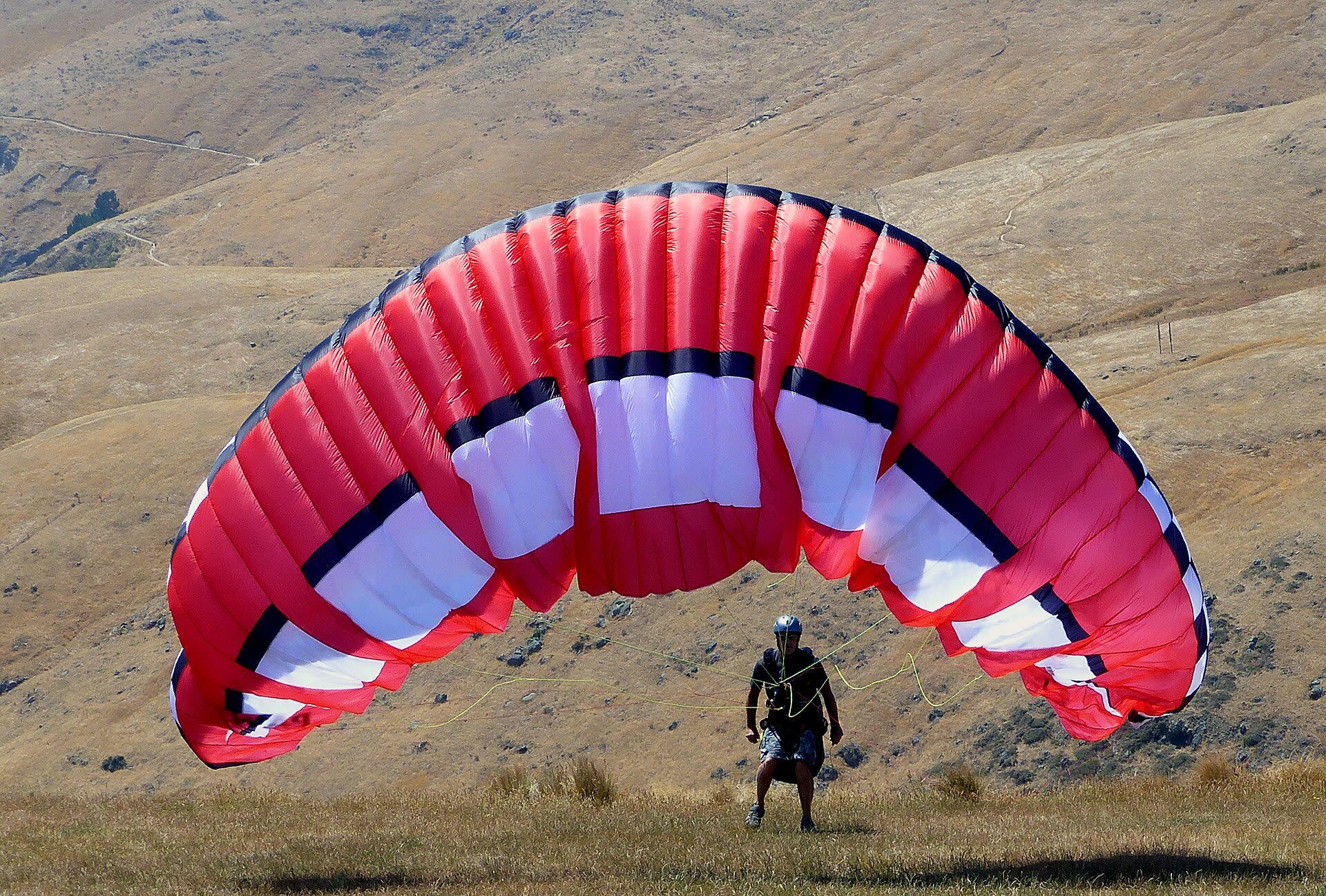
Cover photo: The Paraglider. (15676235624).jpg by Bernard Spragg. NZ from Christchurch, New Zealand, CC0, via Wikimedia Commons.
Frequently asked questions
What level do you need to fly solo on the Aglou and Legzira coast?
You need to be confident at ridge soaring, able to launch in a strong breeze and comfortable landing on a beach. A local briefing is strongly recommended for a first trip.
What insurance do I need to fly in Morocco?
Third-party liability insurance for paragliding valid in Morocco, plus personal accident and repatriation cover that includes paragliding. Check the terms before you travel.
What is the best season to fly on the Moroccan coast?
Autumn, winter and spring are very popular with European pilots for their mild temperatures and clear air. Summer is flyable too, mostly in the afternoon once the fog has cleared.